



TRUTHPASTE ORIGINAL
FOR GUM HEALTH
Anti-inflammatory botanicals to support gum health

BLEEDING GUMS
RECEDING GUMS
INFLAMMED GUMS

Aloe Vera
Prebiotic | Anti-Plaque
Gum Health | Anti-Inflammatory
Wound Healing
Spain

Neem
Anti-Plaque| Gum Health |
Anti-inflammatory
India

Myrrh
Wound Healing | Anti-Plaque
Anti-Inflammatory
Somalia

Wintergreen
Anti-Plaque | Gum Comfort
Anti-Inflammatory
Nepal

Fennel
Saliva Support | pH Balance
Anti-plaque | Fresh Breath |
Antioxidant
Hungary

Eucalyptus
Gum Health | Anti-Plaque
Anti-Inflammatory
China

Vitamin E (Tocopherol)
Antioxidant | Gum Support
Anti-Inflammatory
Argentina

Lemon
Fresh Breath | Anti-Plaque |
Anti-Inflammatory
Italy

Cinnamon
Anti-Plaque | Anti-inflammatory |
Gum Health
Indonesia

Clove Bud
Anti-Plaque | Analgesic |
Soothing
Madagascar
See all 10
See less
Aloe Vera
Neem
Myrrh
Wintergreen
Fennel
Eucalyptus
Vitamin E (Tocopherol)
Lemon
Cinnamon
Clove Bud

Worried about receding gums?
Receding gums are a common concern and often develop gradually over time. They are usually linked to plaque build-up, inflammation around the gums, brushing habits, genetics, diet and lifestyle.
While gum tissue that has already receded usually cannot grow back naturally, there is still a lot you can do to support gum health and slow further recession.
The most effective approach is a combination of:
• regular hygienist appointments to clean below the gumline
• a consistent home oral care routine that removes plaque and bacteria
• lifestyle habits that support healthy gums
Keeping plaque under control and reducing inflammation around the gums is one of the most important ways to support long-term gum health.
Recommended routine for receding gums
The key to improving gum health is consistency. When hygienist care is combined with a disciplined daily routine, you give your gums the best possible environment to stay healthy.
STEP 1
STEP 2
STEP 3
STEP 4
STEP 5

Step 1: Regular Hygienist Appointments
We can't stress this enough. If you have signs of receding gums or gum disease, there is no replacement for regular professional cleans.
Professional cleanings remove hardened plaque (tartar) from below the gumline and inside gum pockets that cannot be reached at home. For people experiencing gum problems or recession, hygienists often recommend more frequent appointments to help keep plaque and bacteria under control.

Step 2: Clean Between teeth
Clean where toothbrushes can't reach
Interdental brushes help remove plaque and food particles from between teeth and around the gumline.
They are especially helpful for areas where gaps have formed or where gum recession has exposed more of the tooth.
Used alongside floss, they help support a thorough plaque-removal routine.
TIP: You can apply a small amount of Truthpaste to interdental brush before use to help deliver beneficial ingredients directly inbetween teeth.

Step 3: Floss Daily
The most important step most people skip.
String floss is particularly effective in cleaning under the gumline, compared to other inderdental tools. Flex the floss around the curve of the tooth and scoop from underneath the gum line.
For those concerned about gum health or recession, flossing should be a non-negotiable part of the daily routine.
TIP: You can apply a small amount of Truthpaste to floss before use to help deliver beneficial ingredients directly along the gumline.

Step 4: Brush Gently
Botanical toothpaste designed to support gum health
Our Original Truthpaste is formulated with a blend of botanical ingredients chosen to support healthy gums while keeping plaque under control.
The formula combines mineral cleaning agents with traditional herbal ingredients used in oral care for centuries.
Key botanicals include neem, myrrh and aloe vera, known for their ability to support gum health and help maintain a balanced oral environment.
Why people choose it for gum care
• Helps keep plaque under control
• Supports healthier gums
• Rich in botanical ingredients associated with gum health
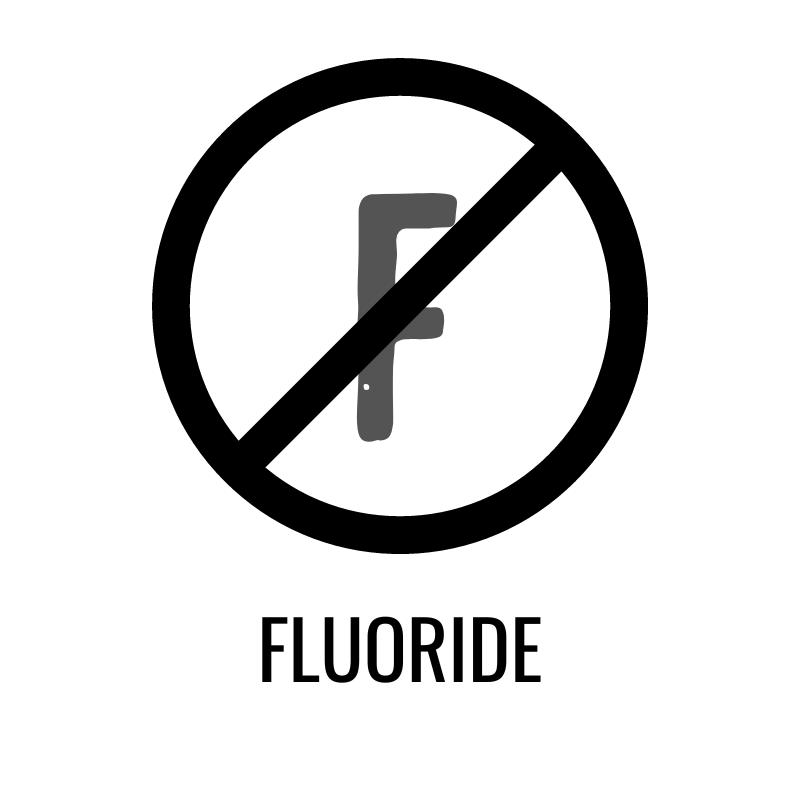
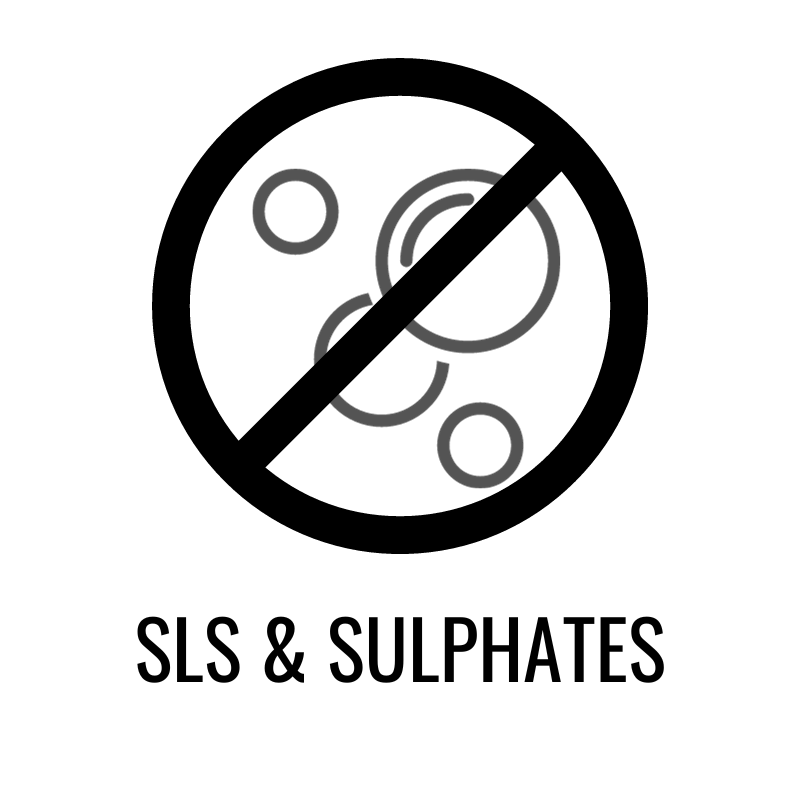
• SLS-free and fluoride free
For best results, combine with daily flossing and regular hygienist visits.

Step 5: Rinse after meals
Support gum health between brushing
Our probiotic mouthwash is designed to complement brushing and flossing by helping cleanse the mouth and support a balanced oral environment.
Used after food or drink, it helps maintain a cleaner oral environment and prevent plaque from building up and causing gum irritation.
Why add mouthwash to your routine:
• Helps cleanse the mouth after food or drink
• Supports plaque control, reducing risk of gum irritation
• Complements brushing and flossing
• Alcohol-free formula
Mouthwash for gum health

VS.
Active ingredient: Chlorhexidine
Active ingredient: Aloe Vera & Probioics
Can stain teeth black
No side effects
Disrupts oral microbiome
Promotes a healthy oral microbiome
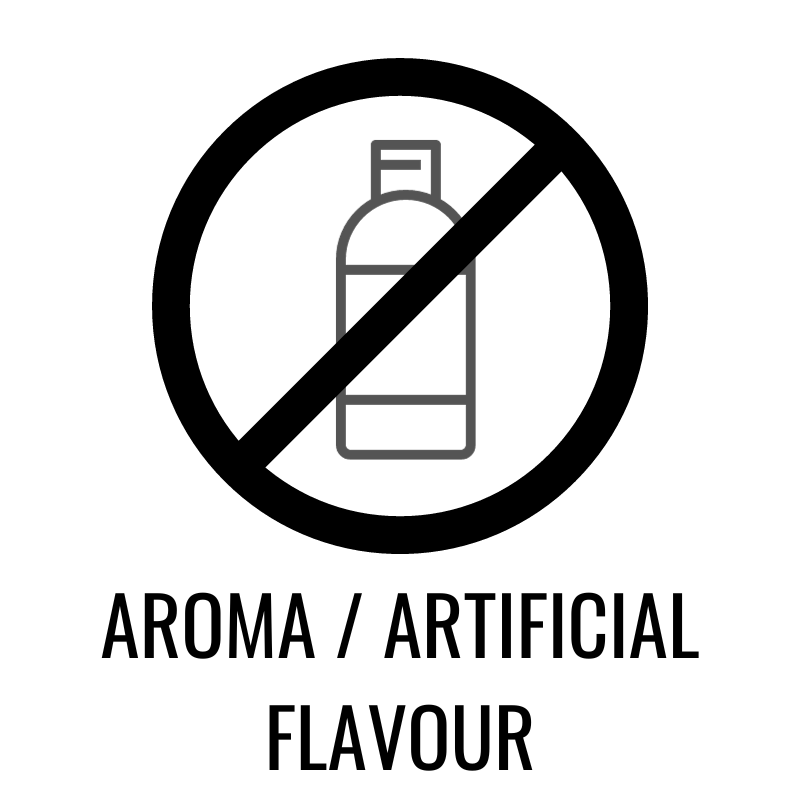
Artificial ingredients
All naturally derived ingredients




Frequently Asked Questions
Can receding gums grow back?
Once gum tissue has receded, it usually does not grow back naturally. Gum recession is often the result of plaque build-up, inflammation around the gums, brushing habits, genetics, or gum disease over time.
However, this doesn’t mean there is nothing you can do. The most effective approach is to focus on controlling plaque and supporting healthy gums, which can help slow further recession and improve overall gum comfort.
This usually involves a combination of:
• regular hygienist appointments to clean below the gumline
• daily flossing and interdental cleaning
• gentle brushing
• maintaining a consistent oral care routine
In some situations, reducing inflammation around the gums can help them feel firmer and healthier around the teeth, although this is not the same as regrowing lost gum tissue.
Can I clean my teeth at home without seeing a hygienist?
A good home routine is essential, but professional hygienist appointments play an important role in gum health.
Hygienists can remove hardened plaque (tartar) and clean deeper around the gumline and inside gum pockets, which cannot be reached with brushing and flossing alone.
For people experiencing gum problems or recession, regular hygienist visits are often recommended alongside a consistent daily routine.
Which toothpaste is best for receding gums?
botanical ingredients such as neem, myrrh and aloe vera traditionally used to support gum health.
These ingredients help maintain a cleaner oral environment and support healthy gums as part of a consistent routine.
If gum recession has left teeth feeling more exposed or vulnerable, some people also choose to add hydroxyapatite products to help support enamel protection and sensitivity.
Do I need to use both floss and interdentals?
Floss and interdental brushes clean slightly different areas, so using both can give the most thorough clean.
String floss is excellent for cleaning just under the gumline and around the curve of the tooth, where plaque and bacteria often accumulate.
Interdental brushes are designed to clean the spaces between teeth where gaps are larger or where gums may have receded, allowing deeper cleaning between teeth.
Using both helps remove plaque from areas brushing alone cannot reach.
What dize interdental brush should I use?
Interdental brushes come in different sizes to suit different spaces between teeth.
A brush should fit comfortably between teeth without forcing it. If it feels too tight, try a smaller size.
Many people use more than one size depending on the area of the mouth. If you’re unsure, a dental hygienist can recommend the best size for your teeth and gums.
When should I use mouthwash
Mouthwash is best used after meals or at times when brushing isn’t possible to help cleanse the mouth and support plaque control.
If you are brushing with Truthpaste, it’s usually best to avoid rinsing immediately afterwards, as this allows the toothpaste ingredients more time to remain on the teeth.
For many people, an effective routine is to floss or use interdental brushes first, then rinse with mouthwash, and brush separately.
Used consistently, mouthwash can help support a cleaner oral environment between brushing.
What order should I use the products in?
For a thorough gum care routine, we recommend the following order:
- Use interdental brushes first to remove plaque and food debris from the spaces between teeth where gaps are larger.
- Floss next to clean just underneath the gumline and around the curve of the tooth, where plaque often accumulates.
- Brush with Truthpaste to clean the tooth surfaces and support gum health with botanical ingredients.
- Use mouthwash after meals to help cleanse the mouth and support a balanced oral environment.
Interdental brushes and floss can also be used in different areas of the mouth depending on the size of the gaps between teeth. Many people find using both gives the most thorough clean.
