

Beyond natural toothpaste
We're passionate about making the best natural toothpaste on earth. As botanical ingredient lovers and eco-friendly people, we know how important it is to find sustainable ways of living that don't harm nature or our environment - which is why at Truthpaste HQ, we look into all things zero waste, organic ingredients, and natural health & wellbeing.

Hydroxyapatite Toothpaste and the Pineal Gland: The Facts
We have seen questions online about hydroxyapatite toothpaste, pineal gland calcification, and whether particles from toothpaste can enter the bloodstream or brain.
They are fair questions to ask. There is a lot of information online, but not all of it reflects how the body works or what the evidence shows.
The simple answer is this: there is no evidence that hydroxyapatite toothpaste causes hydroxyapatite to build up in the pineal gland.

Nano Hydroxyapatite Toothpaste: Nano vs Micro Explained
Searching for nano hydroxyapatite toothpaste? There are two types of hydroxyapatite used in toothpaste, nano and micro. Here's how they differ, whether nano hydroxyapatite is safe, and how to choose the right one for your teeth.

Benefits of Citrus Toothpaste
Many oral care products use “aroma” or artificial flavour systems — proprietary blends designed primarily for taste and sensory impact.
We take a different approach.
At Truthpaste, our flavours aren't just flavours, they're functional.
Our citrus flavour comes from sweet orange and lemon essential oils, selected not only for their clean, fresh profiles, but also for oral health benefits.
Because every ingredient in our formulas has to earn its place.

How to get rid of bad breath
Bad breath?
Simple tips to stay fresh (without wrecking your mouth)
Bad breath isn’t usually about “not brushing enough”.
It’s almost always about bacteria, dryness, and what’s happening between brushes.
Here’s what actually causes bad breath — and what helps.

Why Most Toothpastes Can’t Repair Enamel (and What Can)
Enamel is the hardest substance in the human body — but it isn’t invincible. Every day, acids from food and drink, plaque, and even over-brushing wear it down. Unlike bone, enamel can’t naturally regrow, which is why enamel loss leads to sensitivity, cavities, and yellowing over time.
Most toothpastes only protect what’s left. Fluoride, the standard active in mainstream formulas, helps resist acid attacks but doesn’t rebuild enamel. And with supermarket pastes made up of 95% filler ingredients — foaming agents, flavourings, and stabilisers — there’s little room for minerals that actually strengthen teeth.
That’s where hydroxyapatite comes in. Hydroxyapatite is the mineral your teeth are made of, and clinical studies show it can repair weakened enamel by replenishing lost minerals and sealing microscopic pores.

Is hydroxyapatite safe?
Hydroxyapatite is one of the hottest ingredients in oral care — but is it safe? In this article, we explore the science, the safety research, and why it’s a trusted mineral for repairing and protecting enamel.
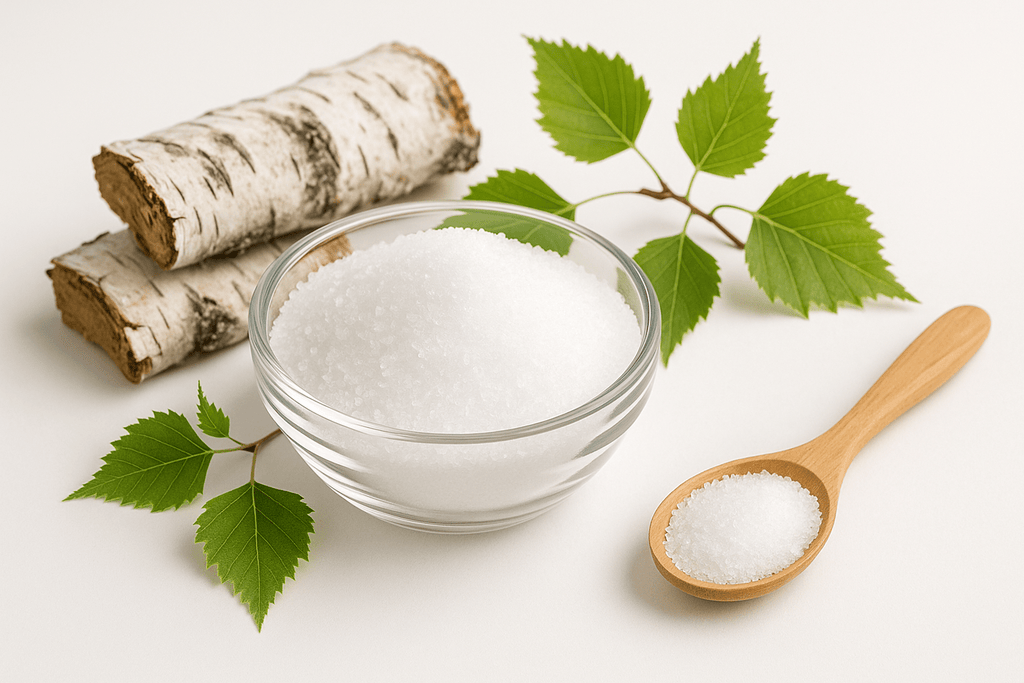
Sweeteners and Your Gut: Unpacking the Surprising Science Behind Saccharin, Sucralose & Stevia
Online, “sweetener” has become a catch-all for “bad for you.” Many consumers lump together all sugar substitutes as harmful, creating fear around even the most scientifically promising options. This blanket fear is amplified by sensational headlines and misinformed social media posts.
But the science paints a more nuanced picture—some sweeteners may harm your health, while others can be beneficial—even prebiotic. Let's dive deeper.
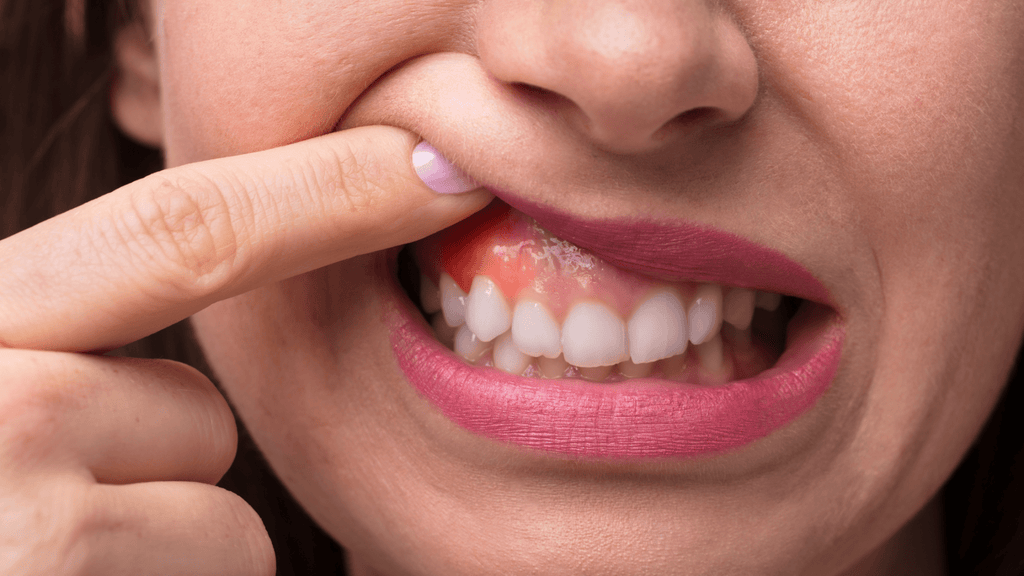
Can Receding Gums Grow Back? What Actually Helps
Receding gums are a common worry. Lost gum tissue can't grow back, but you can protect the gums you have. Here's what actually helps, from daily habits to the botanicals with anti-inflammatory and anti-plaque properties that support gum health.

How Much Hydroxyapatite Do You Really Need in Toothpaste?
Hydroxyapatite (HAp) has become one of the most talked-about ingredients in oral care — and for good reason. It’s the same mineral your teeth and bones are made of, and it plays a powerful role in remineralising enamel, reducing sensitivity, and even naturally whitening teeth.
But with some people shouting about “10% hydroxyapatite” and brands quietly sprinkling in a trace amount just to put it on the label, it’s no wonder people are asking: how much hydroxyapatite do you actually need for it to work?

The Truth About Sunflower Seed Oil
At Truthpaste, we believe in the power of natural ingredients to deliver effective oral care. You may have noticed sunflower seed oil listed on our label, and we want to be transparent about why it’s there.
Should you avoid using metal with bentonite clay?
At Truthpaste, we prioritise both the effectiveness and safety of our products. One common concern we encounter is whether metal utensils can interfere with the properties of bentonite clay in our toothpaste. Let's dive into the science and clear up any misconceptions.
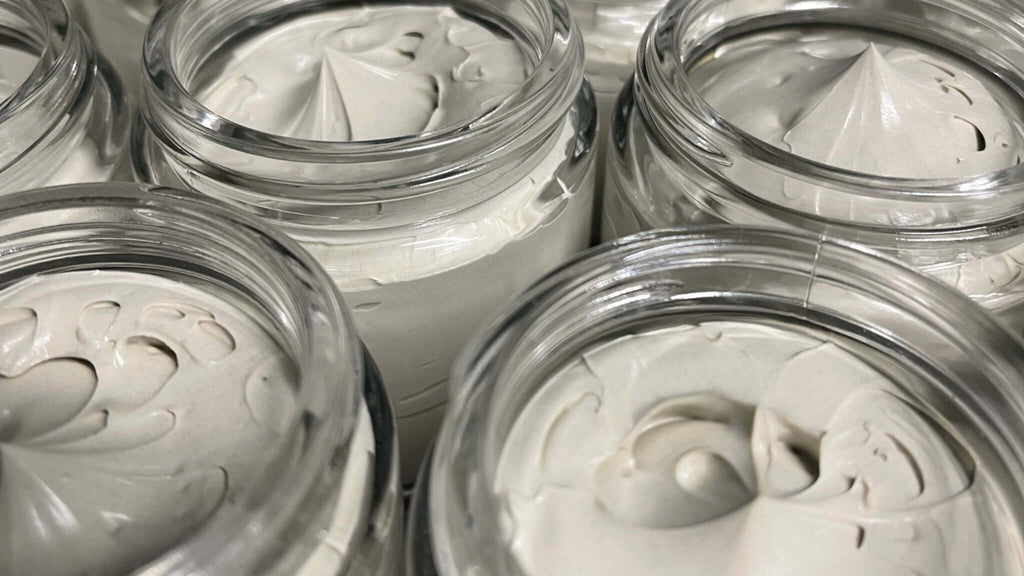
Is bentonite abrasive?
Bentonite clay is a rising star in natural oral care, known for its powerful cleaning abilities and gentle touch.
With a high Pellicle Cleaning Ratio (PCR) and a low Relative Dentin Abrasivity (RDA) score, bentonite effectively removes plaque and stains without damaging enamel. Softer than a fingernail, it ranks 1.5 to 2 on the Mohs hardness scale, ensuring safe daily use. This unique combination makes bentonite clay an ideal choice for those seeking a clean, healthy smile.
Discover how bentonite balances power and care in your oral care routine

The Connection Between Oral Health and Overall Wellness
Oral health isn’t just about a radiant smile, it is intricately connected to your overall well-being. There is an often-underestimated link between oral health and your general state of health. It goes far beyond appearances; your mouth is a gateway to your body’s wellness. Beyond aesthetics, oral health plays a vital role in shaping your overall health and quality of life.

Embracing Sustainability: Why We Choose to Avoid Plastic Refill Pouches for Our Toothpaste
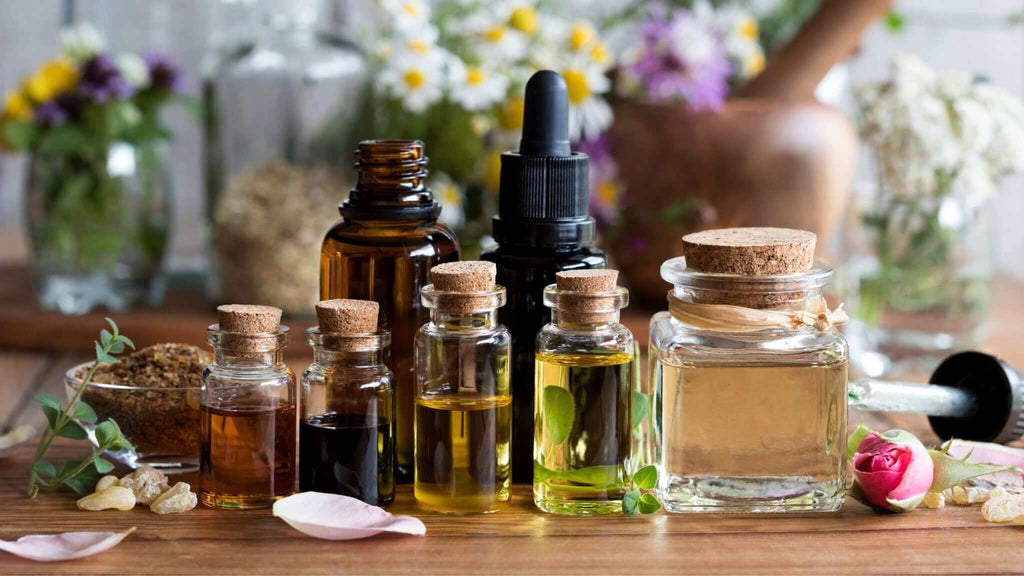
Toothpaste for Sensitive Teeth? Unveiling the Analgesic Effects of Essential Oils in Truthpaste
At Truthpaste, we believe in the power of natural ingredients to promote oral health and comfort. As part of our campaign to address tooth sensitivity, we proudly incorporate a carefully selected range of essential oils in our toothpaste formulation.
In this article, we'll delve into the exceptional benefits of each essential oil, shedding light on their unique attributes and how they contribute to our toothpaste's efficacy in providing relief from toothache and sensitive teeth.
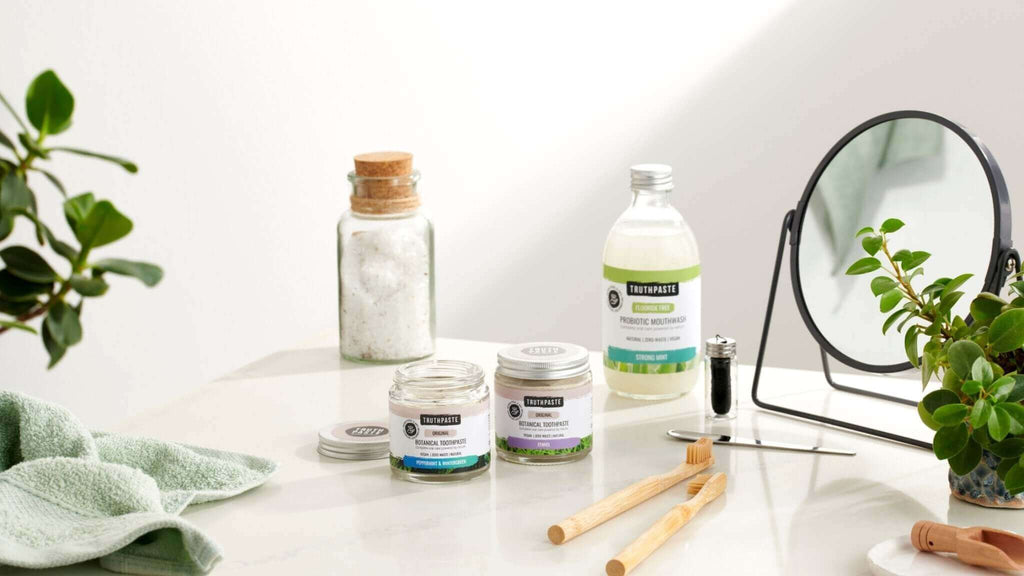
Research Report: The Impact of Truthpaste on Tooth Sensitivity
At Truthpaste, we believe in revolutionising oral care by harnessing the power of nature. Our innovative toothpaste formulations steer clear of traditional oral care ingredients for sensitivity and instead utilise essential oils known for their analgesic effects.
In this case study, we delve into the effects of our products on tooth sensitivity by analysing feedback from 67 customers who had experienced sensitivity prior to using Truthpaste.
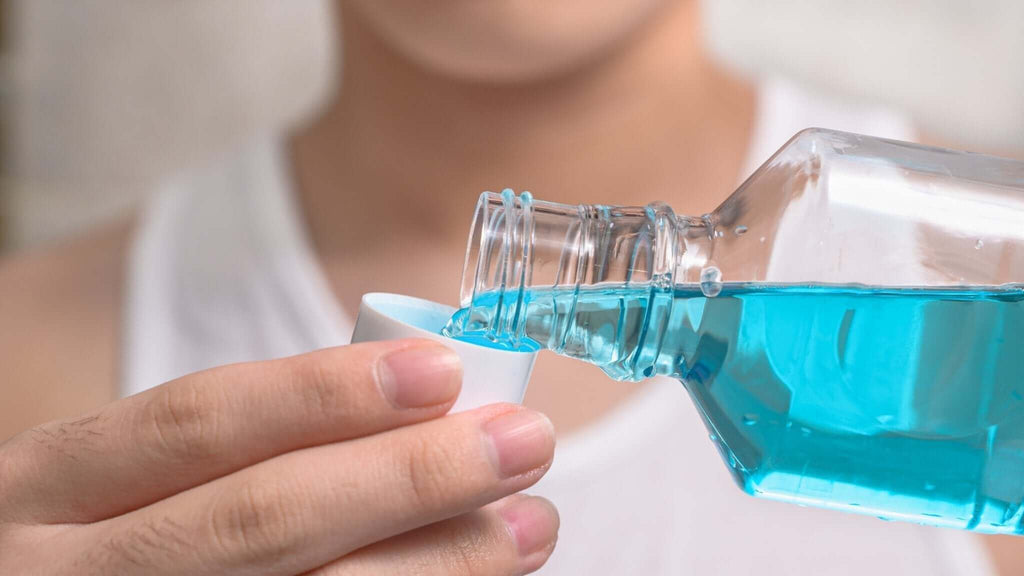
Should you avoid alcohol in mouthwash?
Mouthwash can be a great addition to your daily oral hygiene routine. It is recommended to use either before brushing or about an hour after to avoid washing away all the goodness that your toothpaste provides.
It is a great breath freshener, and most contain a small amount of fluoride which can help in the fight against cavities. Some also have properties to assist with good gum health which is just as important as tooth health.

The Oral-Gut Connection: Exploring the Impact of Oral Microorganisms on Gut Health
While it was previously believed that these microorganisms were largely eliminated by the acidic environment of the stomach, emerging evidence suggests that a substantial portion of oral bacteria can successfully colonize the gut. In this article, we delve into this intriguing phenomenon and discuss the implications it holds for our overall health.

Nurturing a Healthy Oral Microbiome: Best Foods for Oral Health
Maintaining good oral health goes beyond brushing and flossing; it also involves nurturing a diverse and balanced oral microbiome. The oral microbiome consists of a complex community of microorganisms that play a crucial role in oral health.
Recent research has shed light on the potential benefits of certain foods in promoting a healthy oral microbiome. In this article, we will explore one such food - beetroot - and other dietary choices that can support a thriving oral microbiome.
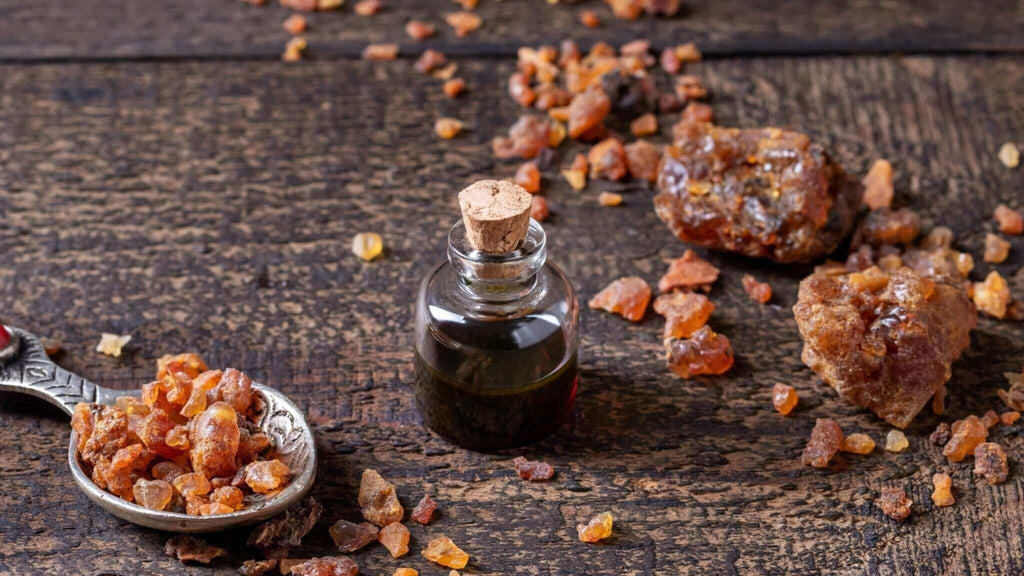
The Ancient Wonder: Myrrh in Oral Care for Healthier Smiles
Myrrh, scientifically known as Commiphora myrrha, is a natural resin derived from the sap of certain trees found in regions of Africa and the Middle East. This aromatic substance has been used for centuries in traditional medicine and cultural rituals. Myrrh possesses a unique blend of anti-inflammatory, anaesthetic and antimicrobial effects, making it a versatile ingredient for many applications.
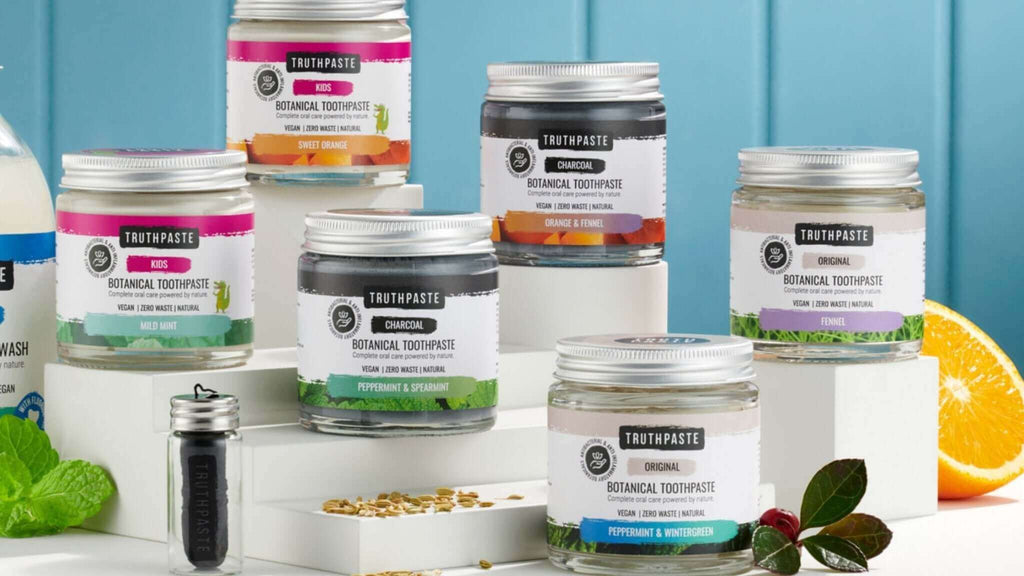
Fluoride-Free: A Natural Approach to Oral Health
When it comes to maintaining a healthy and radiant smile, many of us have believed that fluoride is an essential ingredient in toothpaste. For decades, fluoride has been widely promoted as a key component for preventing tooth decay and strengthening enamel.
However, a growing number of people are exploring alternative options and embracing fluoride-free toothpaste and exploring its benefits for those seeking a more natural approach to oral health.
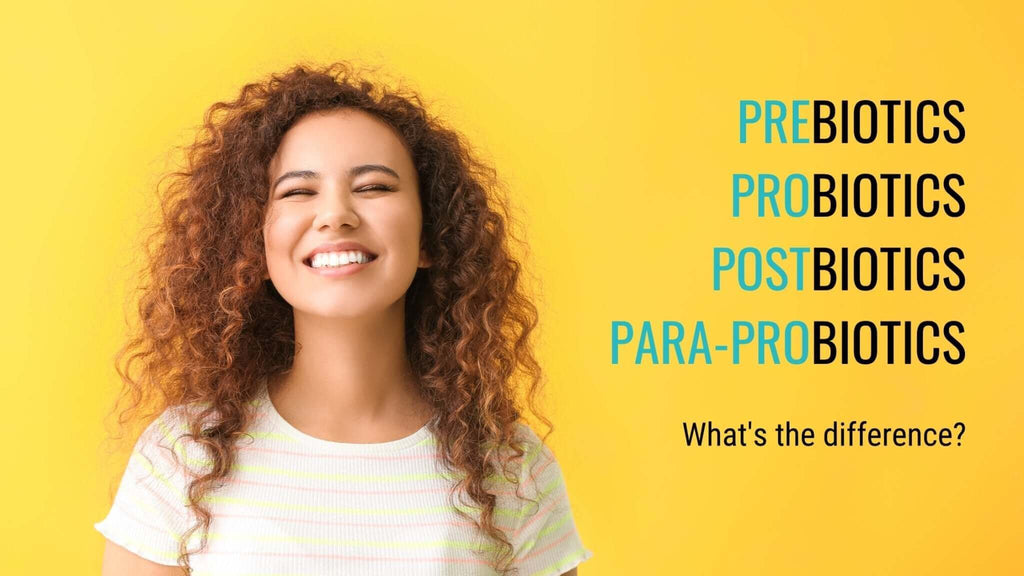
Prebiotics, Probotics, Postbiotics, & Paraprobiotics: Whats the difference?
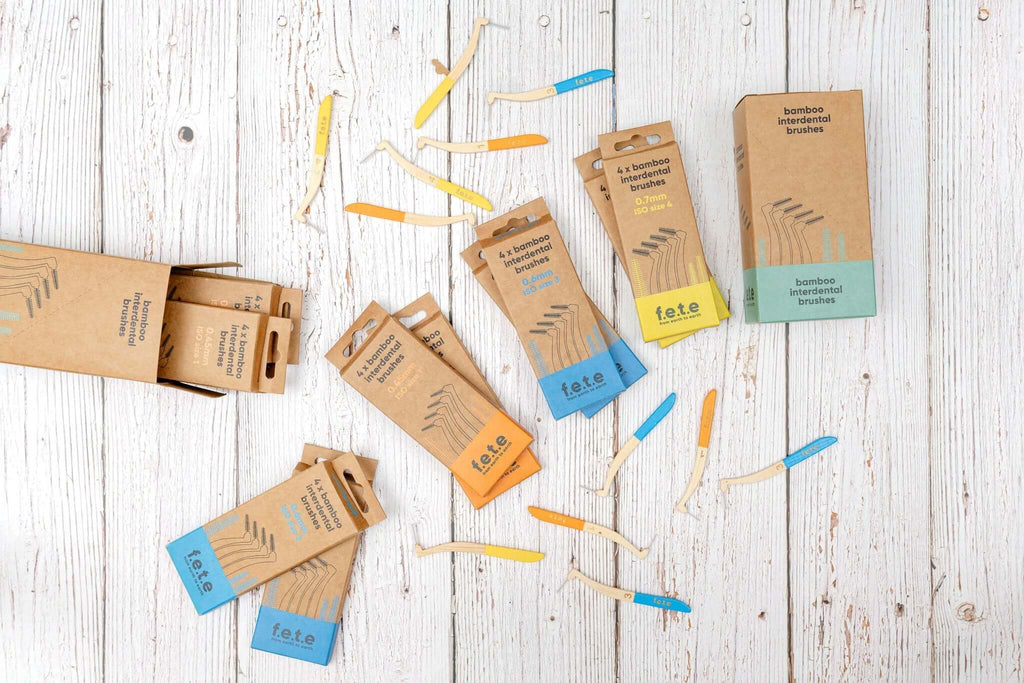
Interdental Brushes 101
No matter how amazing your toothbrush is, it’s just not designed to reach those interdental spaces.
Interdental brushing helps plaque removal and gum health, prevention of dental caries, and has a significant impact on periodontal disease prevention.
Find out which interdental brush is right for you.
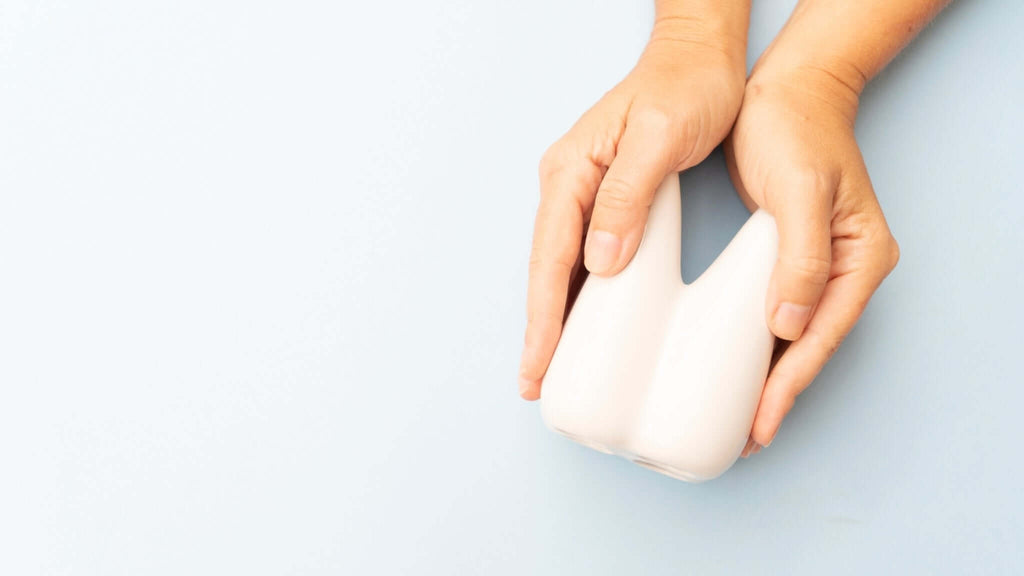
Are probiotics a game-changer for oral health?
You will often hear them referred to as ‘good’ bacteria. This is an oversimplification.
The role of probiotics has been historically largely focused on gut health. However, over the last decade, more research has led to mounting evidence of the multiple benefits of oral probiotics in keeping a healthy oral microbiome.
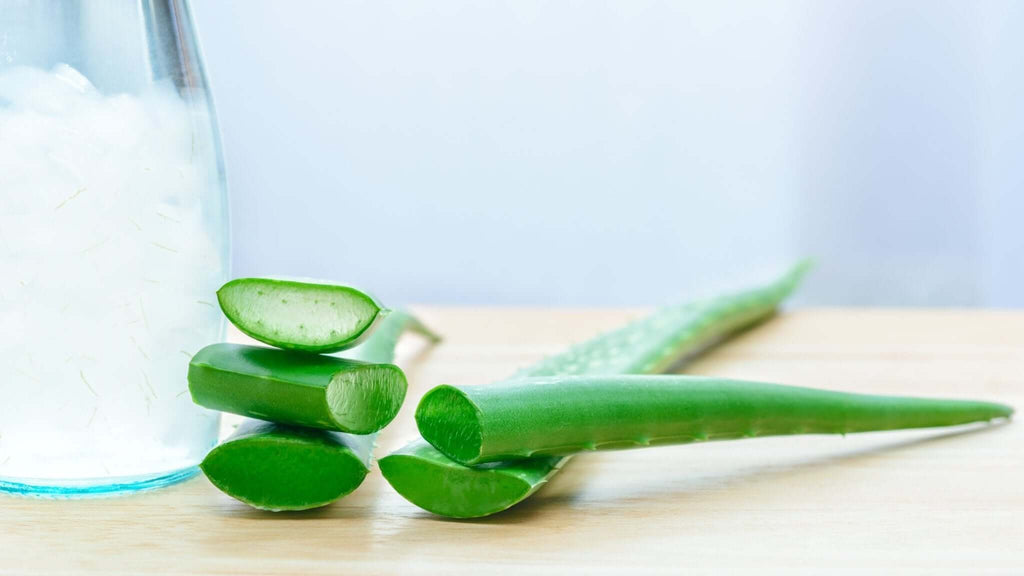
Benefits of Aloe Vera in mouthwash
Natural mouthwash: Does it work?