

Last updated 14 October 2026 · By Marisa Battrick, founder and formulator
What Causes Receding Gums?
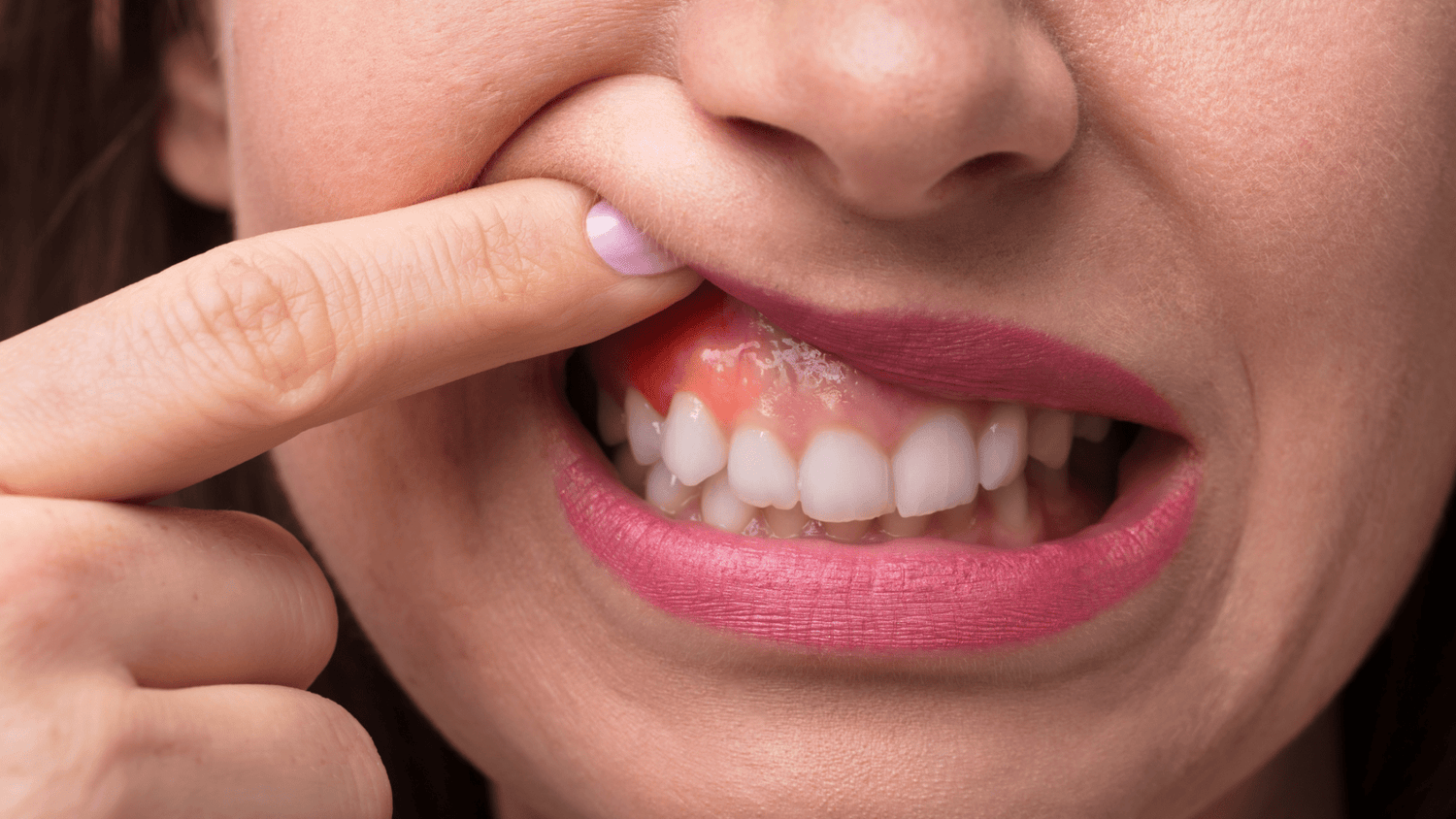
Receding gums happen when the gum tissue around the teeth begins to pull back, exposing more of the tooth and sometimes the root. This can lead to sensitivity, a higher risk of decay and, in advanced cases, tooth loss.
The most common causes include gum disease (gingivitis and periodontitis), brushing too hard, smoking, teeth grinding and natural changes with age.
Can Receding Gums Grow Back?
This is the question we're asked most. The honest answer is no: once gum tissue has been lost to true gum recession, it can't regenerate on its own.
What can change is inflammation. When gums are inflamed or swollen they can look loose or puffy, and when that inflammation settles they can tighten back around the teeth. That feels like an improvement, and it is one. So the focus is on looking after the gums you have and protecting them from further damage.
Aloe Vera for Gum Health
Aloe vera isn't just for skin. It has a long history in mouth care, and research supports its role in gum health.
- Anti-inflammatory properties: clinical studies show aloe vera gels and mouthwashes can reduce gum swelling and plaque.
- Anti-plaque properties: aloe helps keep the bacteria linked to gum problems in check.
- Soothing: its mix of polysaccharides and antioxidants helps calm tender, irritated gums.
The result is gums that feel calmer, healthier and better able to protect your teeth.
Myrrh: Ancient Wisdom for Modern Gum Care
Myrrh has been used for thousands of years to soothe and protect the mouth, and today research supports its role in gum health.
- Anti-plaque properties: myrrh extract helps keep oral bacteria in check and plaque from building up.
- Anti-inflammatory properties: it helps calm gum redness, swelling and soreness.
- Soothing for tender gums: it's especially valued for irritated or tender gums.
Myrrh helps gums feel firmer and stronger, and helps keep inflammation from returning.
What to Look for in a Toothpaste
No toothpaste can regrow lost gum tissue, but the right one can calm irritation, support your gums and help protect them from further damage.
Skip the detergents
Most conventional toothpastes contain foaming agents such as sodium lauryl sulfate (SLS). These detergents are linked to gum irritation and dryness, and to disrupting the oral microbiome. Your mouth doesn't need them, and for sensitive or receding gums it's worth avoiding them, along with artificial sweeteners and unnecessary fillers.
Choose botanicals that support your gums
Plant extracts like aloe vera, neem and myrrh have anti-inflammatory and anti-plaque properties that support gum health. Combined with minerals such as calcium carbonate and clays, they create a soothing, protective environment in your mouth.
Truthpaste's Original range is made without detergents, and instead is packed with botanicals chosen to calm, protect and support your gums every day. See our toothpaste for receding gums.


What To Do If You Have Receding Gums
The most important step is protecting the gum tissue you still have. Gums won't grow back, but there's a lot you can do to keep them healthy and strong:
- Professional cleaning and good oral hygiene: regular dental cleanings, brushing twice a day and cleaning between your teeth once a day with floss or interdental brushes remove the plaque and bacteria that drive gum disease.
- Use soothing, supportive ingredients: aloe vera and myrrh, like those in Truthpaste, have anti-inflammatory and anti-plaque properties that support healthy gum tissue. A probiotic mouthwash helps keep your mouth balanced without stripping it.
- Address lifestyle factors: stopping smoking, reducing stress and managing teeth grinding or bite problems all help protect your gums.
- Keep up regular dental check-ups: early intervention is key, and your dentist or hygienist can spot changes before they become serious.
In more advanced cases, only professional treatments such as gum grafts can restore lost coverage.
In Summary: The Truth About Receding Gums
If you have receding gums, the focus is on protecting the gum tissue you have and preventing further damage.
Daily care with botanicals like aloe vera and myrrh, which have anti-inflammatory and anti-plaque properties, supports gum health, while regular brushing, cleaning between your teeth and professional check-ups keep gum disease under control.
Lifestyle changes such as stopping smoking or managing teeth grinding also play a role. In advanced cases, only dental treatments such as gum grafts can restore lost gum tissue.
References
Annecia, M., Bisrat, H., & Fekadu, F. (2024). Anti-gingivitis natural products: Aloe vera gel, tea tree oil mouthwash, turmeric gel, myrrh extract/mouthwash. International Journal of Frontiers in Biology and Pharmacy Research. https://doi.org/10.53294/ijfbpr.2024.6.2.0038
Figueiredo, L., Figueiredo, N., Da Cruz, D., Baccelli, G., Sarachini, G., Bueno, M., Feres, M., & Bueno-Silva, B. (2022). Propolis, Aloe Vera, Green Tea, Cranberry, Calendula, Myrrha and Salvia Properties against Periodontal Microorganisms. Microorganisms, 10. https://doi.org/10.3390/microorganisms10112172
Bommireddy, P., Marella, A., Chandu, V., & Baddam, P. (2023). Aloe vera gel in chronic periodontitis: a clinico-microbiological study. International Dental Journal. https://doi.org/10.1016/j.identj.2023.07.680
Wal, P., Samal, H., Khare, R., Arora, D., Soni, M., Rathore, S., & Wal, A. (2023). Aloe Vera: A Potential Herb for Periodontitis Management. Current Traditional Medicine. https://doi.org/10.2174/0122150838267094231002173019
Moghaddam, A., Radafshar, G., Jahandideh, Y., & Kakaei, N. (2017). Clinical Evaluation of Effects of Local Application of Aloe vera Gel as an Adjunct to Scaling and Root Planning in Patients with Chronic Periodontitis. Journal of Dentistry, 18, 165–172.
Let customers speak for us
This toothpaste is pleasant and cleans my teeth really well. Would I recommend it…Definately.

Fabulous product, clear of any rubbish used in well known brands and my teeth feel REALLY CLEAN

Absolutely loving this new toothpaste, it tastes lovely and my teeth feel clean all day long.

Love the authenticity of a natural product, keeps my teeth white and mouth healthy without harmful chemicals

I bought a bundle having suffered with gum disease and inflamed gums for as long as I can remember. Within a week of using the mouthwash and toothpaste, my gum health improved. I'm back to buy another bundle.

Great bundle. Really enjoying this alternative without fluoride natural paste!
be warned strong, this is very strong and I love it, great for removing that nasty morning taste and can even chill chilli and curry breath

So glad I started using truthpaste….even my dentist noticed the improvement with my teeth!
Nice citrus taste , my teeth feel really clean. I would definitely recommend
As a person who has had problems for many years with my gums this product has been essential
My dentist has always pushed the main stream products on me but to no avail
Since using this I have seen a brilliant improvement and my dentist thinks it’s because of his product recommendations

Fast and efficient service,happy with the products so far,the taste feeling leaves is very pleasant.definetly recommend 👌

I love this stuff, I've been using it for the last six months.I had dreadful gum issues my hygienist was costing me a fortune but after using this for just three months everything turned around he couldn't believe the change and I am so happy with the results my gums and teeth look much better. I'm back to just once a year with my hygieneist now. saving me a fortune but enjoying my smile and healthy gums again.i would strongly recommend this product to everyone who listened. My daughter and stepdaughter are now using it too.

Was sceptical at first, but needn’t be, really great product. Took a few times to get used to the taste, but now, using it just like any other toothpaste. And love that it’s in a glass jar and not an annoying tube!

Truthpaste is the best I have found so far. Im trying all the flavours and types they have, but my favourite so far is the peppermint. Ive been trying to find the right toothpaste for years. And now I have found it! Thank you for making such a great product :)

Excellent product.
Comments
Tammi Gustafson
Hi, I was told at last dental visit I need one of my wisdom teeth out and possibly the tooth next to it, I have receding gums and gum disease also sensitive teeth, which toothpaste do you recommend? I have little enamel left as as a kid I had ‘fluoride’ treatment a mouth full of fluoride in a gum thing for an hr! Feels like I have had my enamel stripped! Any advice will be grateful received! Thank you Tammi
March 27, 2026
Rosemarie Hamilton
I had a large gap between my implants where the gum tissue had receded. On the 5th day when I went to use the toothpick the gap had disappeared. I changed, because I wanted to use natural ingredients, but I sure wasn’t expecting this! Thank you very much Truthpaste.
March 07, 2026
Leave a comment